Smashed someone's scooter in a drunken blackout: does "I don't remember" get you off? Usually not, and you still pay
Self-induced drunkenness usually cannot reduce criminal liability (Criminal Code 19(3)). Victims: evidence, a 6-month complaint, damages, settlement.
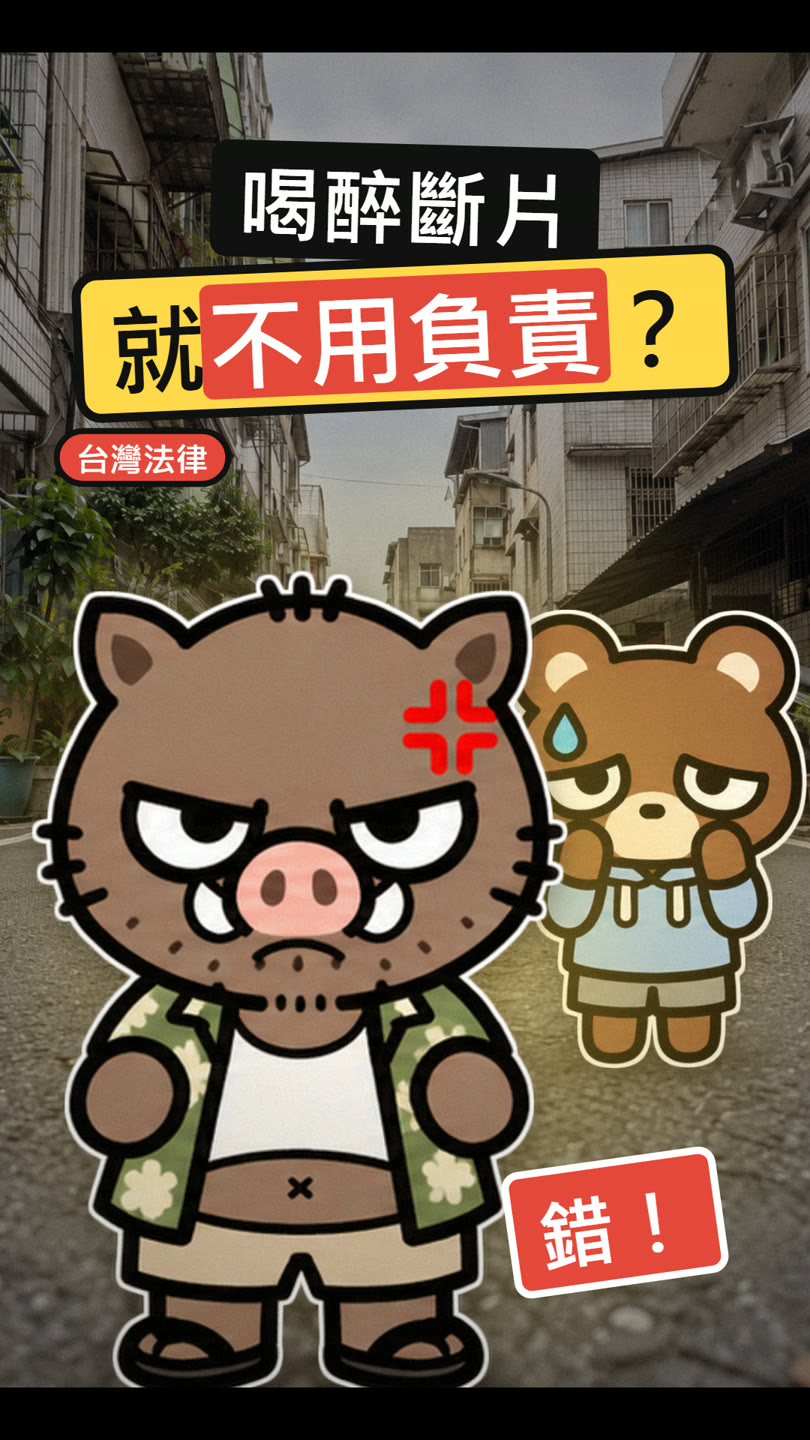
Someone gets blackout drunk and smashes a scooter parked by the road, then sobers up and says "I don't remember", thinking that ends it. In Taiwan, a mental state caused by getting yourself drunk usually cannot be used to reduce criminal liability. Smashing someone's property is the crime of criminal damage, and the victim can file a complaint within 6 months of learning who did it; on top of that, repair costs and other losses still have to be paid. If you are the one whose things were smashed, or who was hit, here are the steps.
01Step 1: get safe, call the police, keep evidence
- Get yourself safe first and call 110.
- Take photos and video: the damage, the person, the time and place.
- Note down witnesses.
- Note where nearby CCTV cameras are.
02Step 2: "I was drunk and don't remember" does not work
Criminal Code Article 19(3): the rules that excuse or reduce punishment for mental impairment do not apply when the person brought the impairment on themselves, intentionally or negligently. A state caused by getting yourself drunk usually cannot reduce criminal liability; the court decides each case.
03Step 3: file a complaint: criminal damage or assault, within 6 months
Smashing property is criminal damage (Criminal Code Article 354) and being hit is assault (Article 277). Both are prosecuted only on the victim's complaint (Articles 357 and 287), which must be filed within 6 months of learning who did it (Code of Criminal Procedure Article 237).
- File at a police station or the district prosecutors office.
- If you were hit, get examined at a hospital the same day and ask for a medical certificate.
- Bring photos, video and witness details.
04Step 4: civil damages: drunk or not, they pay
Civil Code Article 184: a person who intentionally or negligently and unlawfully harms another's rights must pay damages. Bodily injury losses fall under Article 193, and for damaged property you can claim the loss in value (Article 196). The other person being drunk usually does not change this.
- Repair costs.
- Medical costs.
- Lost earnings.
- Get a repair estimate and keep the receipts.
05Step 5: settle, in writing
- Talk it through at the police station, or mediate at the district office mediation committee (區公所調解委員會).
- Write a settlement (和解書): the amount, the payment date and the conditions for withdrawing the complaint.
06Step 6: drinking then riding or driving: endangering public safety
Criminal Code Article 185-3: driving or riding a motor vehicle with a breath alcohol level of 0.25 mg per litre or more is the crime of endangering public safety.
- If you drink, do not ride or drive.
- Take a taxi or use a designated driver.
07Step 7: where to ask
- Legal Aid Foundation, 412-8518.
08Things to watch
- Criminal damage requires intent; knocking something over or breaking it by accident is usually not that crime, but you still owe civil damages.
- Miss the 6-month complaint window and you can no longer file; only the civil claim remains.
- Assault causing serious injury is not complaint-only, so the 6-month limit does not apply.
- "Drunk is no excuse" is the general rule; the court still looks at the case, such as being drugged or made drunk against your will.
Sources
What should we explain next?
Every reel has a full guide. Follow @lawbao.tw and check here first before you decide whether you need a lawyer.

TrialAI
Want to know how your case would go?
TrialAI runs an AI mock trial and predicts the outcome. Describe your situation and see your odds before you decide what to do next.